

The local gambling landscape has shifted gears over the last decade, and punters are paying closer attention to how they fund their sessions. A solid payment method can mean the difference between a smooth night at the venue and a headache at the counter. We’ve watched plenty of mates chase losses because their chosen card racked up fees or held funds hostage for days. The conversation around the best poker machines debit card has moved from niche forums to mainstream pub talk, and for good reason.
Cash is still king in some Queensland clubs, but the convenience of tapping a card has won over most regulars. You want a method that clears quickly, keeps your balance visible, and doesn’t slap you with sneaky transaction costs. The right setup also helps you track spend without pulling out a calculator between spins. That’s where a thoughtful approach to debit card play separates the casual visitor from the disciplined punter.
This piece breaks down what actually matters when you’re loading up for a session, whether you’re at a bustling Melbourne venue or logging into a reputable online room. We’ll look at settlement times, fee structures, and the local rules that shape how cards behave at the machine. If you’ve ever wondered why one card feels smoother than another, the answer usually comes down to how the operator and the payment processor handle the handoff.
How Debit Cards Actually Work at the Pokies
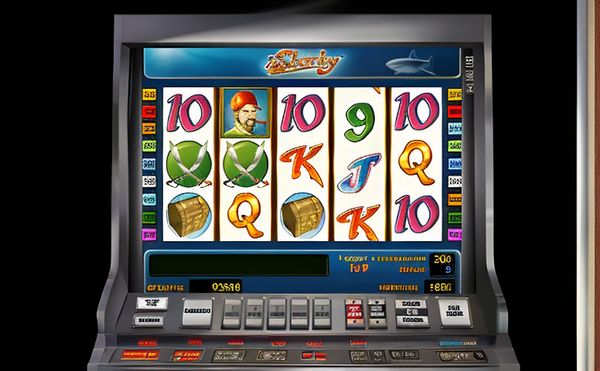
When you slide a card into a machine or enter details online, the transaction moves through a few quiet stages before the balance updates. The venue or platform sends a request to your bank, the bank checks your available funds, and the system either approves or declines the load. In Australia, most major issuers process these payments through domestic networks that keep things fairly swift, though settlement speed still depends on the operator’s backend.
The real trick is understanding that a debit card doesn’t create credit; it simply moves money you already hold. That matters for bankroll management because you can’t accidentally drift into interest charges the way you might with a credit line. Chloe Jackson, Head of Analytics, Oceanic Gaming Strategy, notes that “players who treat card loads like a cash envelope tend to stick to their limits more reliably than those who blur the line between debit and credit.” Her team has tracked session data across several states and found that visible balance updates reduce impulsive top-ups.
Some machines and sites flag large or rapid loads as unusual activity, which can trigger a temporary hold while compliance checks run. That’s not a glitch; it’s a standard safeguard tied to local anti-fraud rules. Keeping your loads within a sensible range and using the same card consistently usually sidesteps those pauses.

Speed, Fees, and Settlement Realities
Settlement time is where the quiet differences show up. A card payment approved at the terminal might reflect instantly on your account, while an online deposit can take a few minutes to clear depending on the processor. The best poker machines debit card setups usually pair with operators that use local acquiring banks, which trims the lag and keeps your balance accurate.
Fees are another piece of the puzzle. Some issuers charge for gambling-related transactions or treat them as cash advances, even when you’re using a debit product. That’s a nasty surprise if you’re not checking your statement. Reading the cardholder terms before you start spinning saves a lot of grumbling later, especially if you’re loading frequently across a weekend.
Exchange rates rarely come into play for domestic play, but they matter if you’re using a card issued overseas or travelling between states with different venue systems. Sticking to an Australian-issued card with a straightforward domestic network usually keeps the maths clean. You want the transaction to disappear into the background so you can focus on the game rather than the plumbing.
Local Rules That Shape Card Play
Australian gambling rules vary by state, and those differences ripple into how cards are accepted. Some venues in New South Wales and Victoria run tightly controlled systems that log loads and outputs for regulatory reporting. That transparency is a good thing, but it also means your card activity can be visible to the operator’s compliance team in ways that don’t happen everywhere.
Online operators licensed in the region follow similar reporting expectations, which is why reputable rooms ask for identity checks before letting you load and play. That process can feel like a speed bump, but it’s tied to responsible gambling obligations and anti-money laundering standards. A card that passes those checks smoothly is worth more than one that triggers repeated verification loops.
The rules also influence which cards are preferred. Operators tend to favour payment methods that settle cleanly and leave a clear audit trail. That’s why teamhbv.org a straightforward debit product from a major local bank often works more reliably than a niche alternative with fuzzy processing paths.
Why Joe Fortune Stands Out in the Local Market
Joe Fortune has built a reputation as one of the leaders of the Australian market by leaning into fast, transparent payment handling and a lobby that suits local tastes. The room stocks a solid spread of pokies and table games, and the deposit flow is designed to get you into the action without a pile of friction. That matters when you’re comparing options, because a smooth funding process often predicts a smoother overall experience.
The platform’s card handling is paired with clear balance displays and straightforward withdrawal paths, which helps punters keep tabs on their session. You can see what’s coming in and going out without digging through nested menus. That kind of clarity lines up with what disciplined players look for when they’re trying to keep a lid on spend.
If you’re weighing where to play, it’s worth checking how the room treats card loads during busy periods. A venue that keeps settlement steady when the crowds are online usually has the backend to match. That’s one of the quiet signals that separates a polished operation from a clunky one.
Picking a Card That Fits Your Session Style
The right card depends on how you actually play. If you’re the type who loads a set amount and sticks to it, a basic debit product with no gambling-specific fees works well. If you prefer frequent small top-ups, look for a card that processes quickly and doesn’t throttle repeated transactions. The best poker machines debit card for one punter can be a poor fit for another, so match the tool to your habits.
Consider how you want to track your spend. Some banks offer clean transaction labels that make it easy to spot gaming loads in your history, while others bundle everything under a generic descriptor. Clear labelling helps you review your session later without squinting at vague entries. That small detail can make a real difference when you’re checking your month.
Think about the venues you frequent. A card that works smoothly at a local club might behave differently on an online room, and vice versa. If you split your time between a physical venue and a digital lobby, pick a product that performs consistently across both. Consistency beats flashy extras every time.
Everyday Signs Your Payment Setup Is Working
You can usually tell a good setup from the way it behaves during a normal night. The load goes through without a pause, your balance updates where you can see it, and you’re not getting pinged with unexpected messages from your bank. When those pieces line up, the card fades into the background and the session feels steady.
A mate of mine who plays at a South Yarra club once switched to a card with a clearer transaction feed and stopped second-guessing his loads. He still sets a limit before he walks in, but the extra visibility makes it easier to stick to the plan. That’s the kind of small win that adds up over a few months.
Another everyday tell is how withdrawals feel. If your deposits are smooth and your cash-outs follow a similar path, you’ve probably picked a method that plays nicely with the operator’s systems. Friction on the way out often points back to a mismatch on the way in.
What to Look For Before You Load Up
- Choose an Australian-issued debit card with a clear domestic processing path.
- Check your cardholder terms for any gambling-related transaction fees.
- Favour operators that display balances and settlement status in plain view.
- Keep loads within a sensible range to avoid compliance holds.
- Use the same card consistently to reduce verification prompts.
- Test a small load first if you’re trying a new venue or room.
- Review your transaction history after a session to spot any odd charges.
Making the Call and Getting Started
If you’ve weighed the fee structure, settlement speed, and local rules, you’re in a solid position to pick a method that suits your play. The aim is simple: a card that moves money cleanly, keeps your balance visible, and doesn’t drag you into surprise costs. That’s the practical side of finding the best poker machines debit card without the hype.
For a closer look at how modern pokies handle payments and gameplay flows, you can wander over to dragon link pokies online free and see how the mechanics line up behind the scenes. If you want a broader read on market moves and operator news, the team at Australian stock market news often covers the business side of gaming and entertainment. For a different angle on everyday spending and lifestyle choices, Mamamia lifestyle stories runs regular pieces that touch on how people manage leisure money.
When you’re ready to put a card to work, start with a small load at a venue or room you trust, watch how the balance updates, and keep your session within the limit you set at the start. If the flow feels smooth and the numbers stay clear, you’ve likely found a setup that will serve you well on the nights that matter.